
If you’re searching for the perfect place to work remotely while living the good life, the Dominican Republic might just be your answer. With year-round sunshine, affordable living costs, and a growing community of location-independent professionals, this Caribbean nation has become one of the top destinations for digital nomads in 2026. And among all the coastal towns, one stands out as the unofficial capital for remote workers: Cabarete.
This small beach town on the North Coast offers something rare: the infrastructure you need to work efficiently combined with the lifestyle you’ve been dreaming about. Fast internet, coworking spaces, beachfront living, and an established expat community make it easy to settle in and get productive from day one.
Why Digital Nomads Are Choosing the Dominican Republic
The Dominican Republic has quietly become one of the Caribbean’s best-kept secrets for remote workers. Unlike more tourist-heavy islands, the DR offers a genuine quality of life at a fraction of what you’d pay in North America or Europe. Your monthly budget can stretch significantly further here without sacrificing comfort or connectivity.
The country’s geographic position also works in your favor. You’re in the Eastern Time Zone, making it easy to sync with clients and teams across the United States and Canada. No more awkward 3 AM calls or missed meetings because of time zone confusion. You can maintain your North American work schedule while living steps from the beach.
Beyond the practical advantages, there’s the lifestyle component. The DR culture is welcoming and laid-back, with a growing number of locals accustomed to working with international residents. English is widely spoken in expat-friendly areas, though learning some Spanish will significantly enhance your experience and help you connect with the local community.
Why Cabarete Is the Digital Nomad Hub of the Dominican Republic
When digital nomads talk about the Dominican Republic, they’re usually talking about Cabarete. This compact beach town has everything you need within walking or biking distance: reliable high-speed internet, coworking spaces, international restaurants, grocery stores, gyms, yoga studios, and an active social scene.
The internet situation deserves special attention because it’s often the deal-breaker for remote work abroad. Cabarete has multiple fiber optic providers, and many apartments and condos now offer 100+ Mbps connections as standard. Many Cafés provide backup options with dedicated high-speed lines, multiple internet providers for redundancy, and generator backup for the occasional power outage.
The town’s small size is actually an advantage. You can walk from one end to the other in fifteen minutes, which means you’re never far from what you need. The beachfront road is lined with cafés and restaurants offering reliable WiFi, so you can easily change your workspace scenery whenever you need fresh inspiration.
What really sets Cabarete apart is the community. Unlike isolated beach towns where you might struggle to meet people, Cabarete has a thriving network of entrepreneurs, remote workers, and small business owners. There are regular networking events, coworking meetups, and social gatherings that make it easy to build both professional connections and genuine friendships.
The Real Cost of Living for Digital Nomads in Cabarete
Let’s talk numbers because affordability is one of the main reasons digital nomads choose the Dominican Republic. Your monthly cost of living in Cabarete will depend on your lifestyle preferences, but here’s what you can reasonably expect.
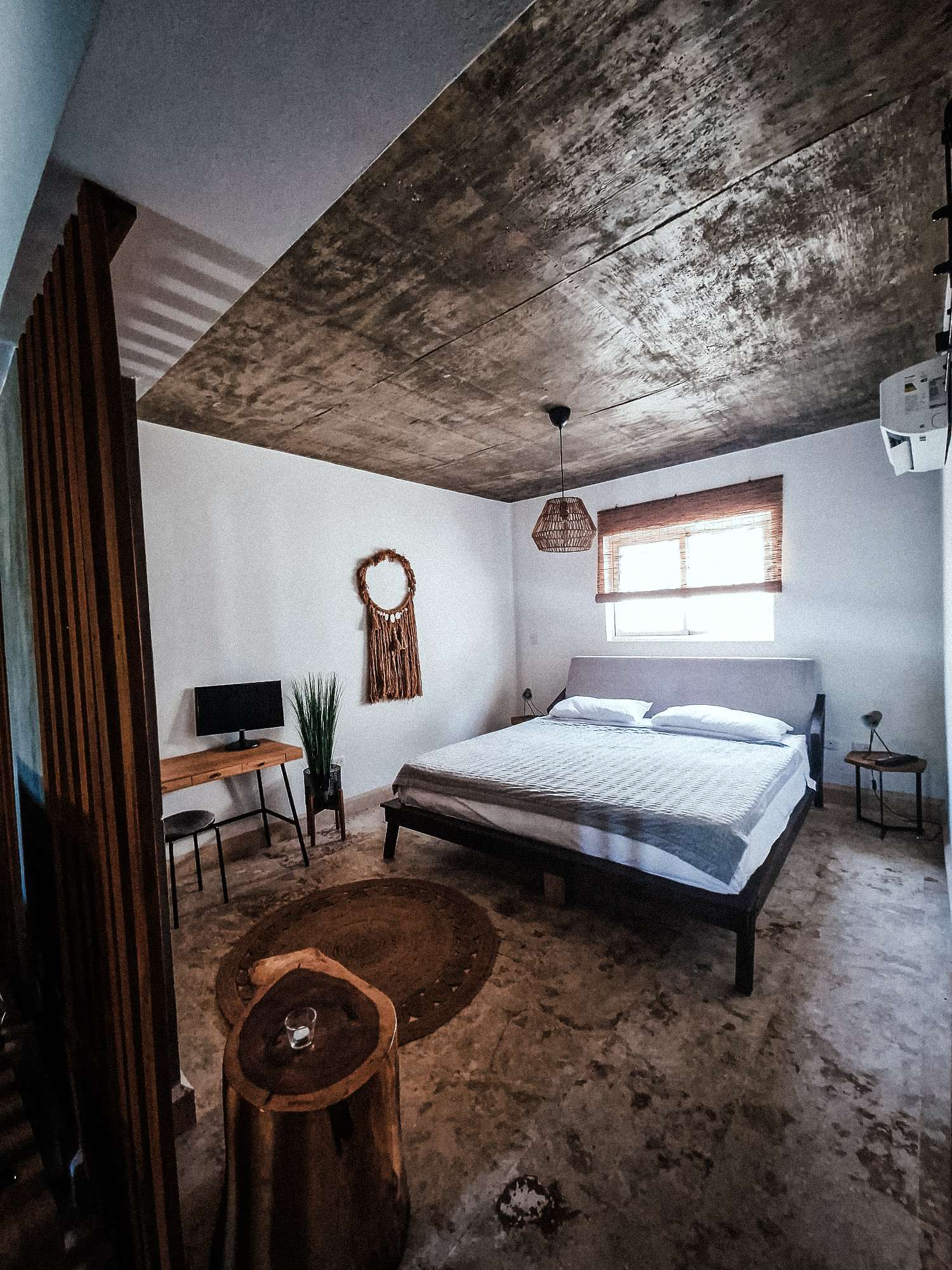
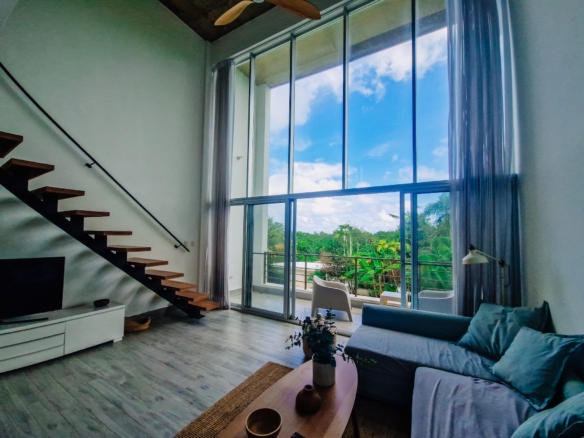
A modern one-bedroom apartment within walking distance of the beach typically runs between $700 and $1,200 per month for long-term rentals. If you’re willing to be a few blocks inland, you can find quality options starting around $500. Many rentals come furnished, which eliminates the hassle and expense of setting up a new home.
Food costs vary based on whether you cook at home or eat out. Local markets offer fresh produce, meat, and fish at very reasonable prices. A weekly grocery shop for one person might run $40-60 if you’re cooking mostly at home. Eating out at local Dominican restaurants costs $5-10 per meal, while international restaurants and beach cafés range from $12-25 per entrée.
Utilities including electricity, water, and internet typically add another $100-150 per month. Air conditioning is the biggest electricity expense, but many nomads find they can get by with fans for much of the year, especially if they choose an apartment with good cross-ventilation and ceiling fans.
Transportation is minimal since most things are walkable. Many digital nomads get by with a bicycle or scooter rental for around $100-150 per month. If you need a car occasionally, ride-sharing apps and local taxi services are readily available.
All told, you can live comfortably in Cabarete on $1,500-2,000 per month, including rent, food, utilities, and entertainment. If you want a more upscale lifestyle with beachfront living, regular restaurant meals, and plenty of activities, budget $2,500-3,500 per month. Either way, it’s significantly less than comparable coastal towns in the US, Canada, or Europe.
Internet Reliability and Infrastructure: The Technical Reality
The single most important factor for any digital nomad is internet reliability, so let’s address this head-on. Cabarete’s internet infrastructure has improved dramatically over the past five years. Fiber optic providers like Altice and Claro now offer high-speed residential connections, and many newer developments have fiber built in from the start.
That said, this is still the Caribbean, and you should plan for occasional outages. Power cuts happen, usually during storms or periods of high demand. Most serious remote workers in Cabarete have a backup strategy: a secondary internet provider, a mobile hotspot with a local SIM card, or membership at a coworking space with generator backup and redundant connections.
The reality is that with a good primary connection and one backup option, you’ll have extremely reliable connectivity for video calls, large file transfers, and everything else your remote work requires. Many digital nomads report that their internet in Cabarete is actually faster and more reliable than what they had in rural or suburban areas back home.
For mobile internet, Claro and Altice both offer affordable data plans. A plan with 20-30GB of data costs around $15-20 per month and works well as a backup for when your home internet has issues. 4G coverage in Cabarete and the surrounding area is generally solid.
Finding the Right Property as a Digital Nomad
Whether you’re planning to rent short-term while testing the waters or ready to buy property as a long-term base, Cabarete offers options for every commitment level.
Short-term rentals (one to three months) are readily available through local property management companies, expat Facebook groups, and platforms like Airbnb. Expect to pay a premium for short-term flexibility, typically $1,200-2,000 per month for a quality one-bedroom apartment.
Once you’re ready to commit to six months or a year, rental prices drop significantly. Building relationships with local property managers and other expats will give you access to better deals that never make it to public listings. The expat community is tight-knit, and word-of-mouth referrals are often the best way to find quality long-term rentals.
For digital nomads considering buying property, Cabarete offers surprisingly affordable options. Condos within walking distance of the beach start around $150,000, while houses and villas in gated communities like Agua Dulce offer more space and amenities for those planning to stay long-term or rent out their property when traveling.
Buying property as a foreigner in the Dominican Republic is straightforward. There are no restrictions on foreign ownership, and the legal process is well-established. Many digital nomads buy property as both a lifestyle choice and an investment, taking advantage of the strong vacation rental market when they’re not using the property themselves.
Beyond Work: The Lifestyle That Keeps Digital Nomads Here
Here’s what happens to most digital nomads who come to Cabarete: they plan to stay three months and end up staying three years. The lifestyle is simply that good.
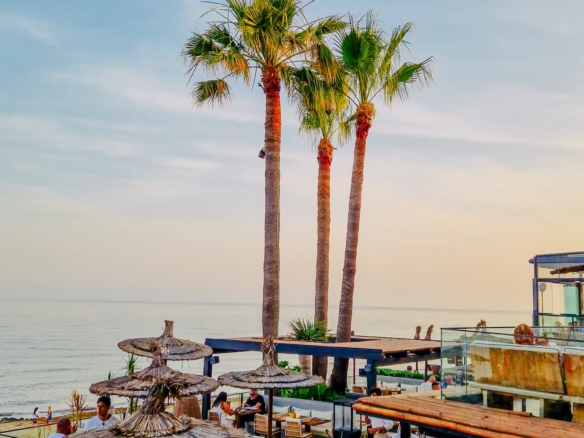
The beach is obviously a major draw. Cabarete is world-famous for kiteboarding and windsurfing, with consistent trade winds and warm water year-round. Even if you’re not into water sports, there’s something energizing about being able to take a swim during your lunch break or watch the sunset from the beach after wrapping up work for the day.
The social scene is active without being overwhelming. There are weekly events like beach volleyball, running clubs, yoga classes, and networking meetups. You can be as social or as solitary as you want, but you’ll never feel isolated or struggle to meet people.
For weekend adventures, you’re perfectly positioned to explore the rest of the Dominican Republic. Playa Encuentro is just down the road for surfing, while the mountains of the interior are an hour away for hiking and waterfalls. The colonial charm of Puerto Plata is a thirty-minute drive, and the remote beaches of Samaná are perfect for weekend getaways.
Healthcare is better than many digital nomads expect. Sosúa and Puerto Plata have modern medical facilities with English-speaking doctors. Many physicians trained in the United States or Europe and offer care at a fraction of North American prices. Most digital nomads find that even paying out-of-pocket for healthcare in the DR is cheaper than their insurance premiums back home.
Making the Move: Practical Steps for Digital Nomads
If you’re ready to make the Dominican Republic your remote work base, here’s how to start. First, consider a reconnaissance trip. Come for two to four weeks, stay in a short-term rental, and test the lifestyle. Work your normal hours, explore the area, meet other expats, and see if Cabarete feels like home.
For stays under 30 days, citizens of the US, Canada, and most European countries don’t need a visa. You’ll get a tourist card on arrival that’s valid for 30 days. If you want to stay longer, you can extend it or do a quick border run to reset your tourist status.
For longer stays, many digital nomads use the tourist visa extension process, which allows you to stay up to two years with annual renewals. If you’re planning to make it more permanent, you can apply for residency, which requires proof of income or property ownership. Working with a local attorney makes the process straightforward.
Bank accounts can be opened with your passport and proof of address, though many digital nomads continue using their home country banks and international services like Wise for currency exchange. US dollars are widely accepted in Cabarete, though having Dominican pesos for local markets and services will save you money.
Your Next Chapter Starts Here
The digital nomad lifestyle in the Dominican Republic isn’t just about escaping winter or finding cheaper rent. It’s about designing a life where work supports your lifestyle instead of consuming it. Where you can be productive during work hours and truly present during your time off. Where your monthly budget allows you to save money while living better than you did back home.
Cabarete has proven itself as a sustainable home base for remote workers, not just a temporary escape. The infrastructure is here, the community is welcoming, and the lifestyle is exactly what you’ve been looking for. Whether you’re planning a three-month trial or ready to buy property and make it permanent, everything you need is already in place.
Ready to explore what life as a digital nomad in the Dominican Republic really looks like? Browse available properties in Cabarete and start planning your move to the Caribbean’s premier destination for remote workers.


Join The Discussion