
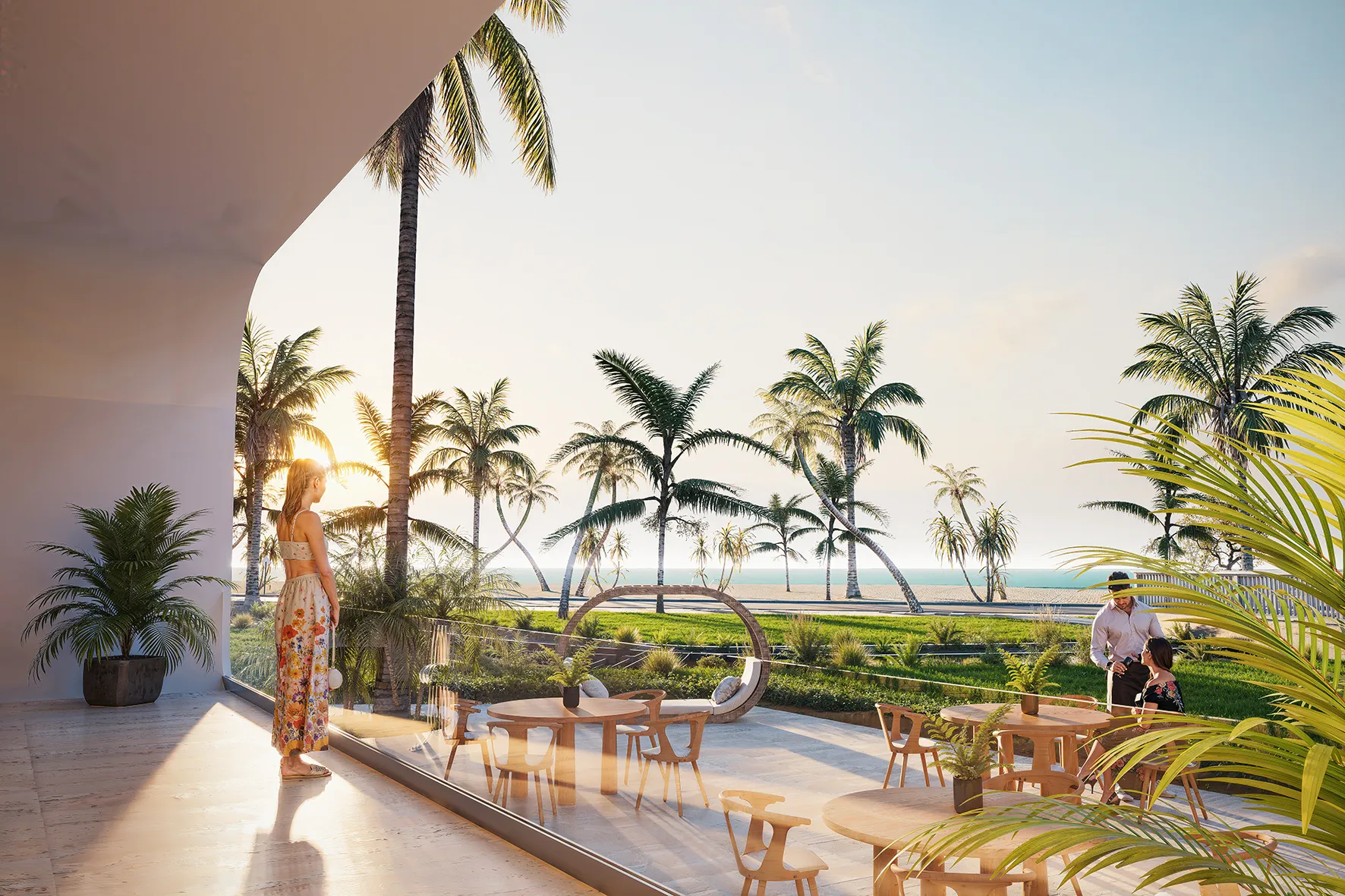
If you’re a Canadian or American buyer looking for a Caribbean property that offers more than just a beach view, Las Terrenas deserves serious attention. This coastal town on the northeastern Samaná Peninsula has quietly become one of the Dominican Republic’s most compelling markets for snowbird investors who want both lifestyle and returns.
Unlike the overdeveloped resort zones that dominate much of the Caribbean, Las Terrenas has maintained its European village charm while building the infrastructure expats actually need. French bakeries sit next to beachfront condos. Yoga studios neighbor investment-grade rental properties. And the numbers? They’re starting to make sense in ways they haven’t in years.
Let’s break down what makes Las Terrenas real estate work for investors who split their time between North America and the tropics–and where the smart money is moving right now.
Why Las Terrenas Is Different From Other Dominican Republic Markets
Most North American buyers start their search in Cabarete or Punta Cana. Those markets have their place, but Las Terrenas offers something fundamentally different: a European-influenced expat community that’s been building steadily for two decades without turning into a resort monoculture.
The French and Italian influence here is real, not marketing copy. You’ll find proper espresso, fresh croissants, and a dining scene that rivals anything in the Caribbean. For snowbird investors, this matters because it creates a stable, year-round rental market beyond just North American winter visitors.
The town itself sits on the northern coast of the Samaná Peninsula, protected from the typical Caribbean hurricane belt. The beaches–Playa Bonita, Playa Cosón, Playa Las Ballenas–are consistently ranked among the best in the DR, with soft white sand and coconut groves instead of high-rise shadows.
Infrastructure has caught up to demand. The road from Santo Domingo, once a stomach-churning four hours, now takes about two hours on improved highways. El Catey International Airport is 45 minutes away, with direct flights from Montreal, Toronto, and seasonal connections from the U.S. The final piece–reliable high-speed internet–arrived over the past three years, making this a viable base for the digital nomad crowd who extend your rental season.
Las Terrenas Property Prices: What Snowbird Investors Are Actually Paying
Here’s what matters if you’re looking at this as an investment, not just a dream: Las Terrenas real estate still trades at a meaningful discount to comparable Caribbean markets, but that gap is closing.
As of 2025, beachfront condos in established developments start around $180,000 to $250,000 for well-maintained units with rental history. Newer construction projects with resort amenities–pool, security, management on-site–range from $220,000 to $400,000 depending on size and beach proximity.
For single-family homes and villas, expect $350,000 to $750,000 for turnkey properties in prime locations. These aren’t the $1.2 million starter homes you’re seeing in Cabarete’s beachfront market, but they’re climbing. Year-over-year appreciation in Las Terrenas has averaged 6-8% over the past five years, with some micro-markets like Cosón Beach seeing double digits.
The sweet spot for snowbird investors right now? Two-bedroom condos in mixed-use developments within walking distance of the beach and town center. These units rent consistently to European tourists in summer, North Americans in winter, and digital nomads filling the shoulder seasons. Annual gross rental yields of 7-9% are achievable with professional management, which is above what you’ll find in most North American vacation markets.
Rental Income Potential and Management Reality
Let’s talk about the numbers that actually matter: occupancy rates and net returns after expenses.
Las Terrenas benefits from tri-seasonal demand. Canadian and American snowbirds fill December through March. European tourists–primarily French, Swiss, and Italian–dominate July and August. Digital nomads and remote workers increasingly book 30 to 90-day stays in the shoulder months, particularly January through April when North American winter is at its worst.
A well-positioned two-bedroom condo renting for $1,200 to $1,800 per week in high season and $800 to $1,200 in shoulder months can generate $35,000 to $50,000 in gross annual rental income. Factor in property management (typically 20-25%), maintenance reserves, HOA fees, and utilities, and you’re looking at net yields in the 5-7% range on a $300,000 property–before any appreciation.
The key variable is management. Unlike Las Terrenas ten years ago, you now have professional property management companies that handle everything from marketing to maintenance to guest services. Look for managers with multilingual staff (French and English minimum), established booking channels beyond just Airbnb, and transparent monthly reporting.
One advantage for Canadian investors: the favorable exchange rate makes Dominican property relatively affordable, while rental income in USD or Euros provides currency diversification.
Legal Considerations and Ownership Structure for Foreign Buyers
The Dominican Republic allows full foreign ownership of real estate, which sets it apart from restricted markets like Mexico’s coastal zones. You can own property in your personal name, though many investors opt for a Dominican corporation (SRL) for liability protection and estate planning benefits.
Title insurance is available and recommended. Work with a local attorney who specializes in foreign real estate transactions–not the developer’s lawyer, not your cousin who practices family law in Ohio. Budget $2,500 to $4,000 for proper legal due diligence on a condo purchase, more for land or complex transactions.
Transfer taxes and closing costs run approximately 3-4% of purchase price. There’s no capital gains tax if you sell after five years of ownership, which makes this attractive for medium-term holds.
Property taxes are refreshingly low–typically $200 to $800 annually for properties under $1 million in value. This is actual property tax, not the inflated HOA fees masquerading as taxes you find in some markets.
One critical point for snowbird investors: if you spend more than 182 days per year in the Dominican Republic, you may trigger tax residency. Most snowbirds stay well under this threshold, but it’s worth planning if you’re considering a permanent move down the road.
Where to Focus Your Search in Las Terrenas
Las Terrenas isn’t one market–it’s several distinct zones with different investment profiles.
The town center (Pueblo de los Pescadores area) offers the most rental demand and walkability, but inventory is tight and prices reflect the location premium. Look here if you want consistent occupancy and don’t mind smaller lot sizes.
Playa Bonita and Playa Punta Popy deliver classic beachfront living within a short walk or bike ride to restaurants and services. This is the established expat zone with mature developments and proven rental performance. Expect to pay more upfront but benefit from lower vacancy risk.
Playa Cosón, about ten minutes west of town, is where appreciation potential lives. This is Las Terrenas five years ago–less developed, larger lots, more space between properties. Several boutique condo projects have launched here recently targeting the upper-middle market. If you can handle being slightly outside the walkable core, this is where value investors are focusing.
Playa Las Ballenas, east of town, offers a quieter vibe and has seen significant new construction. It’s becoming popular with families and longer-term renters, though it lacks some of the restaurant density of central Las Terrenas.
El Portillo is one of the more understated areas of Las Terrenas. A long stretch of calm beachfront, surrounded by nature, yet still close to town. Over the past years, the area has seen a number of well-planned developments, making it increasingly relevant for those seeking both lifestyle and long-term value.
Avoid anything advertised as “jungle view” that’s actually just landlocked with no beach access. Those don’t rent well to tourists, and appreciation lags significantly.
Making Las Terrenas Real Estate Work for Your Timeline
The snowbird investor advantage in Las Terrenas is simple: you can use the property yourself during peak season and still generate meaningful rental income the rest of the year.
Most successful investors we work with block out 6-8 weeks for personal use, typically January through March, and rent the remaining 9-10 months. This gives you the Caribbean escape you wanted while the property pays for itself, and in many cases, generates positive cash flow even after personal use.
If you’re 5-10 years from full retirement, buying now in Las Terrenas allows you to build equity, offset costs with rental income, and establish your future home base while prices are still reasonable. The infrastructure improvements over the past five years mean this market is fundamentally different than it was a decade ago–you’re no longer buying on speculation that services will eventually arrive.
For investors already retired or semi-retired, Las Terrenas offers the lifestyle benefits of Caribbean living with a built-in European expat community for social connection. You’re not isolated in a resort compound; you’re part of an actual town with year-round residents, local businesses, and cultural events beyond the tourist calendar.
Is Las Terrenas Real Estate Right for You?
Las Terrenas isn’t for everyone. If you need a direct flight from the U.S. every day of the week, stick to Punta Cana. If you want the most established North American expat community in the DR, Sosúa and Cabarete are still the centers of gravity. If you’re chasing the absolute highest rental yields regardless of lifestyle quality, there are other markets with better pure numbers.
But if you’re a snowbird investor who values quality of life alongside returns, who wants a property in a real town rather than a resort bubble, and who can appreciate the European influence that makes Las Terrenas unique in the Caribbean, this market deserves serious consideration.
The window of opportunity isn’t infinite. Infrastructure improvements, growing international awareness, and consistent appreciation mean the deep value plays are becoming scarce. Properties that made sense at $220,000 three years ago now trade at $280,000–and someone who bought in 2021 enjoyed both rental income and equity growth while spending winters on the beach.
The investors winning in Las Terrenas right now are those who understand they’re buying into a lifestyle and a community first, with solid investment fundamentals as the foundation. If that resonates with your goals, it’s worth spending a week here, meeting the expat community, and seeing the market firsthand.
Ready to explore what’s currently available? Browse our hand-picked Las Terrenas properties and see why this European-flavored Caribbean town is becoming the smart choice for snowbird investors who want both lifestyle and returns.

Join The Discussion