
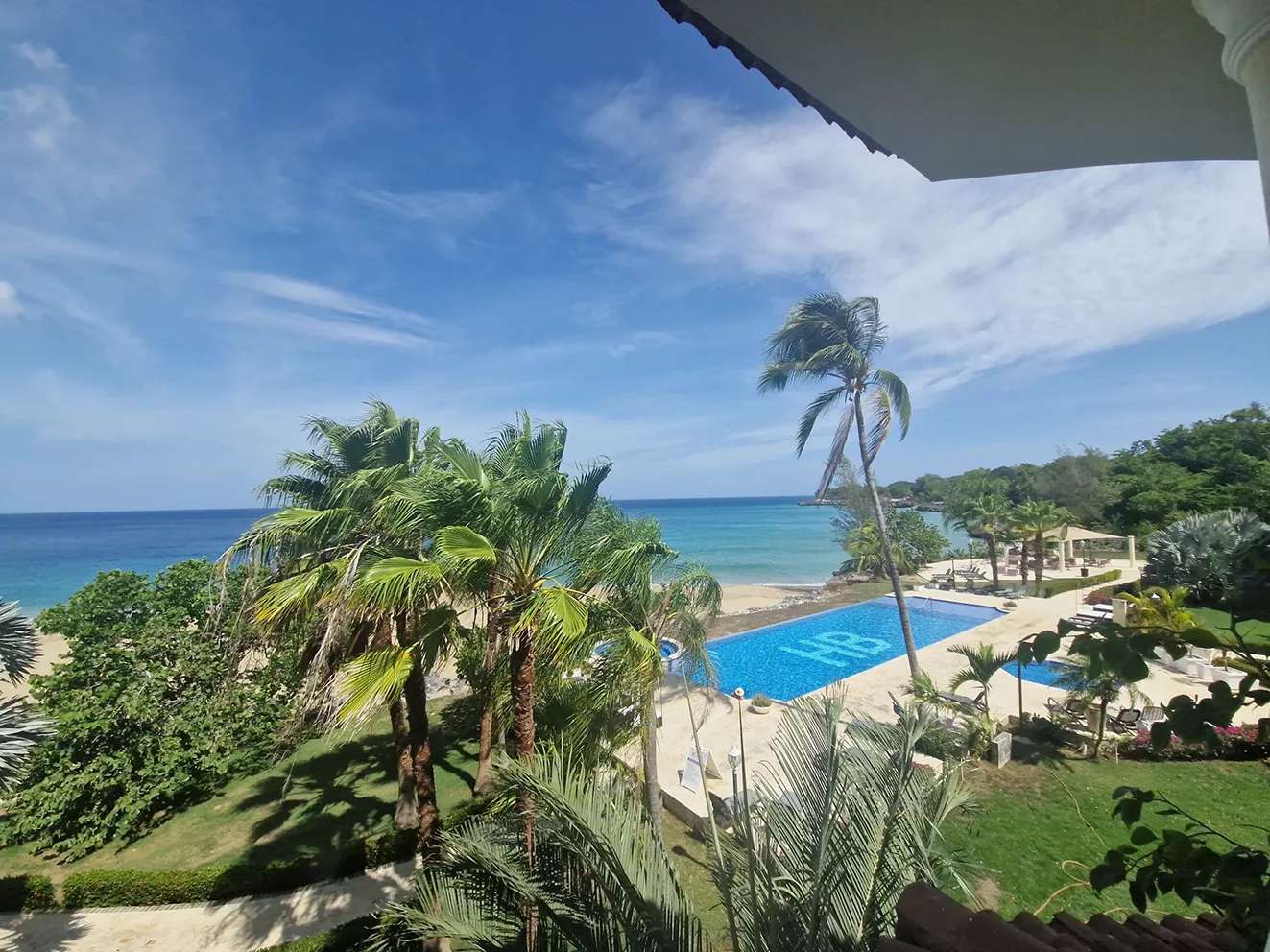
Moving to the Dominican Republic can be more straightforward than many people expect, but it requires a clear plan rather than a spontaneous leap. The most common paths include applying for residency through a Dominican consulate, exploring the investor residency route, or qualifying under a pension or independent-income category. Many expats begin with the standard residency process, which starts with a visa application, continues with temporary residency, and may eventually lead to permanent residency or citizenship if that is your long-term goal.What are the main residency options for moving to the Dominican Republic?
The Dominican Republic offers several legal pathways to live there long-term. The standard residency process generally requires you to apply for a residence visa at a Dominican consulate before traveling, then complete the process with the Dirección General de Migración once you arrive. Investor residency, often called the “fast-track” option, offers a potentially more direct route for those who can demonstrate a qualifying investment in the country. There are also specific categories for retirees (Pensionado) and individuals with qualifying recurring income (Rentista). Documentation typically includes a valid passport, a criminal background check, evidence of financial eligibility, and a medical examination. Requirements vary by category and should always be confirmed with the relevant authorities.
Do I need a visa before arriving in the Dominican Republic?
Travelers holding passports from the United States, Canada, and many European countries generally do not need a visa for short tourist visits. The tourist card fee is usually included in the flight ticket, and the standard tourist stay is up to 30 days. Extensions may be requested through the immigration authorities. Some visitors who stay longer pay an overstay fee when leaving the country, but this payment does not constitute an official extension or provide legal residency status. If your goal is to move permanently, the recommended approach is to begin the appropriate residency visa application through a Dominican consulate before relocating. Entering as a tourist does not automatically allow you to convert your status to residency from within the country.
What is the residence visa application process at a Dominican consulate?
The first step is to contact the Dominican consulate responsible for your place of residence. You will generally need to submit a completed application form, your passport, proof of economic solvency, a criminal background check, and a letter explaining the purpose of your move. Additional documents, translations, apostilles, or legalizations may be required depending on your circumstances. Once approved, the consulate issues a residence visa, generally valid for 60 days. After arriving in the Dominican Republic, you must complete the corresponding application with the Dirección General de Migración. Processing times vary considerably between consulates and individual applications, so it is advisable to begin well before your planned move.
How long does it take to get temporary residency in the Dominican Republic?
After arriving with the appropriate residence visa, the temporary residency process can take several months, depending on documentation, appointments, and immigration processing times. You will generally need to complete a medical examination, provide photographs and supporting documents, and attend the required immigration appointments. Once approved, you receive temporary residency, initially valid for one year. Renewals are required, and the transition to permanent residency depends on the applicable immigration category and the period of legal residence. Many expats hire a local immigration lawyer to manage the paperwork. Professional fees vary depending on the complexity of the application and the services included. Government fees, translations, and document legalization may be charged separately.
How much money do I need to qualify for residency?
There is no single fixed amount because financial requirements depend on the chosen residency category. For the Pensionado category, the commonly stated minimum is US$1,500 in qualifying monthly pension income. For Rentista, the minimum is generally US$2,000 in qualifying monthly income from eligible sources. These categories have specific requirements regarding the origin and documentation of income. For investor residency, the qualifying investment threshold is generally US$200,000, subject to the applicable investment registration and immigration requirements. For standard residency, applicants must demonstrate economic solvency through acceptable documentation. The specific evidence required depends on their circumstances and the applicable rules. Because financial thresholds and documentation requirements can change, always verify current conditions before applying.
Can I buy property in the Dominican Republic before I have residency?
Yes. The Dominican Republic has one of the most accessible real estate markets in the Caribbean for international buyers. Foreigners generally enjoy the same property ownership rights as Dominican citizens, and you do not need residency to purchase a home, condo, or land. Some buyers purchase property before relocating, while others prefer to spend time exploring different areas first. A property investment may also be relevant to an investor residency application, provided it meets the applicable requirements.
An independent lawyer should verify the property’s legal title, ownership, boundaries, and any outstanding obligations before purchase. If you are still exploring, you may want to look at hand-picked listings in Cabarete or the Las Terrenas market to understand current price points and neighborhoods.
What is the healthcare situation for expats moving to the Dominican Republic?
The Dominican Republic offers both public and private healthcare, with some well-equipped private hospitals and specialist clinics, particularly in larger cities such as Santiago and Santo Domingo.
Private consultations can be relatively affordable compared with North America, although prices vary considerably by location, specialty, and medical facility. More complex treatments may require traveling to a larger city. Many expats purchase private health insurance through local providers such as Humano, Universal, or MAPFRE, while others prefer international expat policies. Premiums depend on age, medical history, coverage limits, and deductibles.
Access to the Dominican social health insurance system depends on eligibility, employment, and applicable enrollment requirements. Having residency alone does not automatically guarantee coverage. Before relocating, it is worth checking which hospitals, specialists, and insurance options are available in your preferred area.
How much should I budget monthly to live comfortably in the Dominican Republic?
A single person might budget approximately US$1,600 to US$2,400 per month near the north coast, including rent, utilities, groceries, eating out, and transportation.
A couple might plan on US$2,600 to US$3,800 per month for a comfortable apartment or small villa, regular dinners out, and occasional travel.
These are illustrative budgets rather than fixed living costs. Actual expenses depend heavily on housing choices, electricity consumption, transportation, healthcare, and lifestyle.
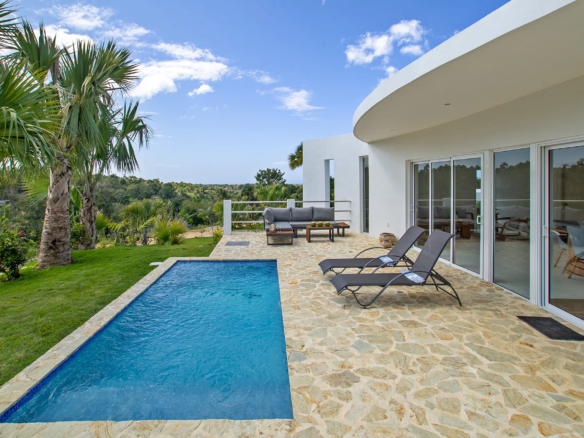
You can live more frugally in smaller towns or spend considerably more in gated communities such as Villas Agua Dulce. Cabarete and Sosúa offer a broad range of options, from practical apartments to spacious villas with private pools.
Do I need to ship household goods or should I buy furniture locally?
Many expats find it easier to sell large items before leaving and purchase furniture locally after arriving. The Dominican Republic has established furniture stores, particularly in Santiago and Santo Domingo, and many condos and villas are sold furnished.
Shipping a full household container can be expensive, with costs depending on the departure port, container size, shipping company, and customs procedures. Import duties may apply, although qualifying new residents may be eligible for certain household-goods exemptions under Dominican law. These should be checked carefully before arranging a shipment.
A practical middle path is to ship selected personal belongings and sentimental items while leaving bulky furniture behind.
What about safety and community when moving to the Dominican Republic?
Safety in the Dominican Republic varies considerably by neighborhood and location. Many expats on the north coast choose gated communities, beachfront condos, or established residential areas where daily life feels relatively relaxed. Petty theft and other security concerns exist, so sensible precautions and careful neighborhood selection remain important.
Building a social circle can be easier in towns such as Cabarete and Sosúa, where international residents, local businesses, sports communities, and social activities bring people together. If you are bringing children, look closely at the international and private schools in Sosúa and Cabarete before choosing a neighborhood.
It is also worth spending time in different communities. Traffic, construction, noise, access roads, and proximity to everyday services can make a significant difference to how a place feels once you live there.
Can I work remotely from the Dominican Republic while I establish residency?
Remote working has become an increasingly attractive option for people considering a move to the Dominican Republic.
Fiber-optic internet is available in many parts of the north coast, and numerous apartments and villas in Cabarete advertise high-speed internet. However, connection quality, reliability, and backup systems should be checked for each individual property.
Working remotely does not automatically qualify someone for a particular residency category. For example, the Rentista category has specific income-source requirements, and ordinary remote employment income may not qualify. You should also review your employer’s policies, immigration status, and potential tax obligations in both countries. Foreign-source income is not automatically exempt from Dominican taxation simply because it is earned remotely.
Professional immigration and tax advice is particularly useful if you plan to continue working for an overseas employer or operate your own business.
What are the common mistakes people make when moving to the Dominican Republic?
One common mistake is assuming the process works exactly as it does in your home country. It does not. Paperwork can take time, requirements may change, and different offices sometimes provide different instructions.
Another is underestimating the value of a reliable local lawyer and a knowledgeable real estate agent who understand the north coast market.
Rushing into a property purchase without getting to know the area can also lead to disappointment. Renting first, exploring different neighborhoods, and experiencing everyday life outside the holiday season can help you make a more informed decision.
The right location depends on much more than the property itself. Accessibility, surroundings, infrastructure, and the character of the community all deserve attention.
If you are serious about moving to the Dominican Republic, a good next step is to spend time on the north coast, explore the communities yourself, and connect with people who have already made the move.
At Hidden Gem Estates, we help international buyers discover carefully selected properties that fit their lifestyle, priorities, and long-term plans.
Browse hand-picked properties in Cabarete → or explore beachfront condos in Las Terrenas →
Residency, immigration, and tax regulations may change. The information in this article is intended as a general overview and does not replace professional legal, immigration, or tax advice.


Join The Discussion