

The Dominican Republic is emerging as one of the Caribbean’s smartest property investment destinations – especially for North American buyers seeking stable returns, year-round rental demand, and a place to escape winter. If you’re considering where to park capital while securing your own warm-weather retreat, Sosúa offers a compelling combination: established expat infrastructure, consistent tourism flow, and significantly lower entry costs than overheated markets like Playa del Carmen or Costa Rica.
But smart investing isn’t just about buying cheap and hoping for the best. It’s about understanding local market dynamics, choosing the right property type, and working with advisors who know the difference between a good deal and a money pit with an ocean view.
Why Investment Property in the Dominican Republic Makes Financial Sense
The Dominican Republic welcomed over 11,6 million tourists in 2025, with the North Coast accounting for a substantial portion of that traffic. Unlike some Caribbean islands that depend on a single resort economy, the DR offers diversified appeal: adventure sports in Cabarete, beach relaxation in Sosúa, and eco-tourism in the Samaná Peninsula.
For investors, this translates to multiple rental seasons. Winter snowbirds from Canada and the northeastern United States drive occupancy from December through March. European travelers favor shoulder seasons in spring and fall. And increasingly, digital nomads and remote workers are extending stays into multi-month bookings, reducing vacancy gaps and tenant turnover headaches.
Property prices remain attractive compared to similar beach markets. While a two-bedroom beachfront condo in Tulum might command $400,000 USD or more, comparable properties in Sosúa often list between $180,000 and $280,000–with better construction quality and lower HOA fees. The cost-to-rental-income ratio favors Dominican real estate, particularly when you factor in the peso-to-dollar exchange advantage for local operating expenses.
Tax treatment is another advantage. The Dominican Republic does not tax foreign-source income, and property taxes are remarkably low–typically 1% of assessed value annually, often less. There’s no capital gains tax if you’ve owned the property for more than three years. For Canadians and Americans structuring retirement income, these factors can meaningfully impact net returns.
Sosúa: The Goldilocks Zone for Snowbird Investors
Sosúa occupies a sweet spot on the North Coast. It’s established enough to offer reliable infrastructure–grocery stores, medical clinics, restaurants, banks–but hasn’t become overdeveloped or priced out of reach like some competing markets.
The town’s expat community is mature and active, which matters more than many first-time investors realize. When something breaks at 9 PM on a Saturday, you need access to reliable contractors, property managers who answer their phones, and a network that can recommend trustworthy service providers. Sosúa has that ecosystem in place.
Sosúa Beach remains the area’s main draw–a crescent of golden sand with calm waters protected by natural headlands. It’s genuinely swimmable, which is surprisingly rare on the North Coast where many beaches cater more to surfers than swimmers. This family-friendly profile expands your potential renter demographic beyond the kiteboarder crowd.
Proximity to Puerto Plata International Airport is another practical advantage, just 15 minutes away. Direct flights from Montreal, Toronto, New York, Miami, and seasonal routes from smaller U.S. cities mean your property is accessible without complicated connections. Renters value easy arrival logistics, especially older travelers or families with children.
The rental market in Sosúa is bifurcated in a useful way. Short-term vacation rentals serve the tourism market, while longer-term furnished rentals (one to six months) attract snowbirds and extended-stay visitors. Savvy investors structure their properties to serve both segments—maximizing per-night rates during peak winter weeks while filling shoulder seasons with monthly tenants at stable rates.
What Type of Investment Property Performs Best
Not all Dominican properties are created equal when it comes to investment performance. Based on rental data and resale patterns, certain property types consistently outperform.
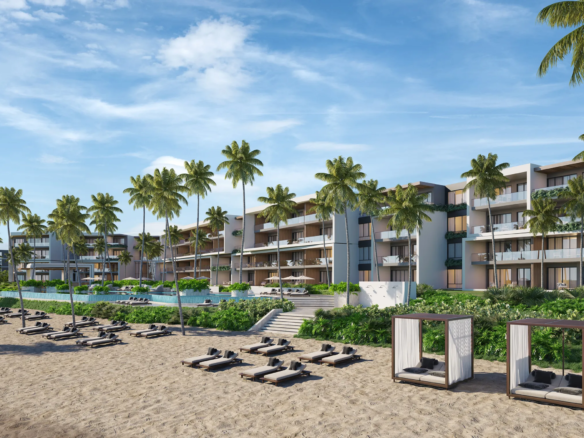
Beachfront condos in well-managed complexes lead the pack. These properties command premium nightly rates, appeal to both short-term vacationers and seasonal snowbirds, and are easier to manage remotely than standalone houses. Look for developments with established HOAs, on-site management, reliable water and power systems, and amenities that justify premium pricing–pools, beach access, security, parking.
Two-bedroom, two-bathroom layouts are the sweet spot. They accommodate couples, small families, or two couples traveling together, maximizing your potential booking calendar. Single-bedroom units limit your market; three-plus bedrooms increase your carrying costs without proportional rental premiums unless you’re targeting large family groups specifically.
Modern construction matters more in the Dominican Republic than in some markets. Buildings constructed after 2010 typically feature better electrical systems, more reliable plumbing, and construction standards that align with North American expectations. Older properties can be bargains, but factor in renovation costs honestly–and understand that “charming vintage Caribbean” often translates to “ongoing maintenance headaches” for absentee owners.
Gated communities and managed developments reduce operational friction. Independent management can work, but you’re relying entirely on your property manager’s competence and honesty. Communities with professional on-site management provide accountability, consolidated maintenance, and backup systems when individual staff members are unavailable.
Ocean views command premium rates, but don’t overpay for the view itself if the property has other deficiencies. A well-appointed condo with partial ocean views in a prime location will often outperform a dated unit with spectacular vistas but inconvenient access or weak infrastructure.
The Real Numbers: Investment Returns and Carrying Costs
Let’s talk actual numbers, because vague promises about “strong rental potential” don’t pay mortgages or HOA fees.
A well-selected beachfront condo in Sosúa, purchased at $220,000 USD, can generate $2,000 to $3,500 monthly during peak season (December through March), and $1,200 to $1,800 during shoulder months if marketed to longer-term renters. Annual gross rental income typically ranges from $20,000 to $35,000 depending on property quality, management effectiveness, and how many weeks you reserve for personal use.
Operating expenses include HOA fees ($150-$400 monthly depending on amenities), property management (typically 20-25% of rental income), utilities if not paid by tenants, annual property tax (usually under $1,000), and periodic maintenance reserves. Net operating income after expenses typically ranges from 6% to 10% of property value annually–significantly stronger than most North American rental markets.
Appreciation is harder to predict but historically steady. The North Coast has seen compound annual appreciation in the 3-5% range over the past decade, with better-located properties in managed developments outperforming the average. Don’t count on appreciation as your primary return, but it’s a reasonable expectation over a 5-10 year hold period.
Financing options exist but are more limited than U.S. or Canadian mortgages. Some developers offer seller financing for pre-construction projects, typically requiring 30-50% down with terms of 2-5 years. Dominican banks offer mortgages to foreigners, but expect higher interest rates (8-12%), shorter terms, and lower loan-to-value ratios. Many investors purchase cash or secure financing against North American properties to avoid Dominican lending complexities.
Legal Structure and Purchase Process
Dominican property law is straightforward and foreigner-friendly, but requires proper execution. Foreigners have the same ownership rights as Dominican citizens—you can own titled property outright with no restrictions.
The purchase process involves due diligence on the title, negotiating a purchase agreement, opening a Dominican bank account (required for the transaction), and closing with a notary public. Title insurance is available through several international underwriters and highly recommended. Total closing costs typically run 4-6% of purchase price, including transfer taxes, legal fees, and title insurance.
Most investors structure ownership through a Dominican corporation (SRL) rather than personal name. This simplifies estate planning, offers liability protection, and can provide tax advantages if you’re generating rental income. Corporate formation is inexpensive ($800-$1,500 including legal fees) and annual maintenance is minimal.
Working with a Dominican attorney is non-negotiable. The modest legal fees–typically $1,500 to $3,000 for a straightforward purchase–are insurance against title defects, zoning problems, or contract issues that could cost exponentially more to resolve after closing. Choose an attorney who works regularly with foreign buyers and comes recommended by other expat investors, not just the seller’s suggestion.
Finding the Right Investment Property in Sosúa
The Dominican market isn’t like shopping on Zillow. MLS systems are fragmented, many properties are sold off-market, and quality varies wildly even within the same development. You need local expertise that goes beyond property listings.
We don’t list everything–we list the best. Our approach focuses on hand-curated properties that meet specific investment criteria: clear title, solid construction, proven rental history or realistic rental potential, fair pricing relative to comparable sales, and locations that align with long-term North Coast development patterns.
For snowbird investors specifically, we evaluate properties through the lens of “would this work for my own winter use while generating income when I’m not here?” That perspective eliminates properties that look good in photos but have operational red flags—unreliable water systems, problematic HOAs, locations that are too remote for convenient access, or unit configurations that limit rental appeal.
The best investment properties often aren’t the newest listings. They’re the quietly available units whose owners are ready to sell but haven’t broadly marketed. They’re the pre-construction opportunities in developments with proven track records. They’re the slightly dated condos in prime buildings where strategic updates can command significantly higher rents. Finding these requires local presence, market relationships, and frankly, doing this full-time rather than as a side hustle.
Your Next Step: From Research to Real Property
Investment property in the Dominican Republic offers compelling returns for buyers who do their homework, choose locations wisely, and work with advisors who understand both the opportunity and the operational realities. Sosúa represents one of the North Coast’s strongest combinations of affordability, infrastructure, rental demand, and lifestyle appeal.
The difference between a solid investment and a regrettable purchase often comes down to the details–construction quality, HOA governance, proximity to amenities, realistic rental projections, and proper legal structure. These aren’t things you can evaluate from browsing listings online from Minneapolis in February.
Ready to explore specific investment properties in Sosúa that match your return expectations and personal use plans? Browse our hand-picked selection of beachfront condos and villas, or reach out directly to discuss your investment criteria. We’ll show you exactly what your capital can buy–and what it can earn.


Join The Discussion