
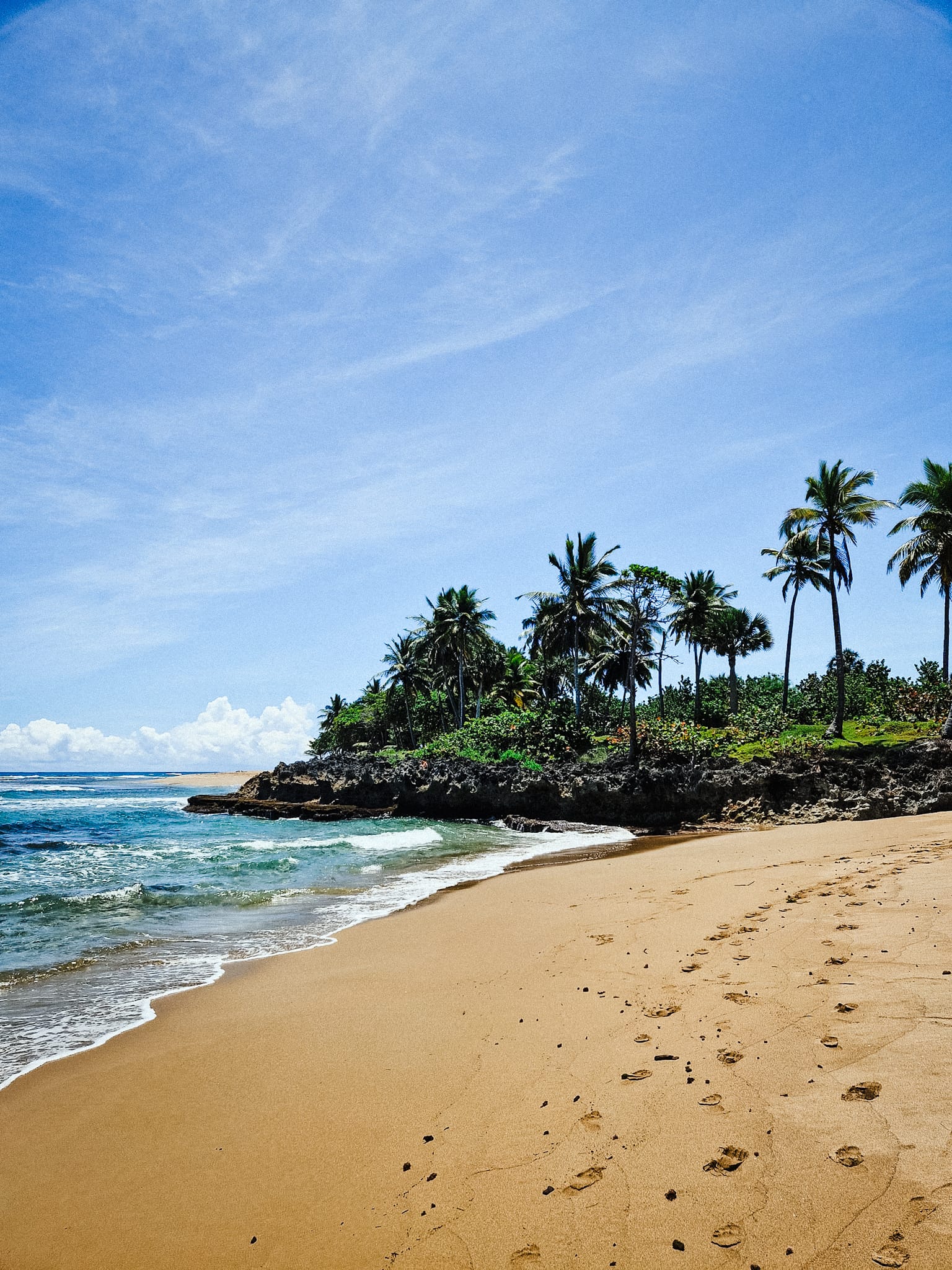
Moving to the Dominican Republic is more than a dream, it’s a practical, achievable goal for thousands of North American retirees each year. But navigating the residency process can feel overwhelming if you’re unfamiliar with Dominican immigration law. This comprehensive guide walks you through everything you need to know about obtaining legal residency in the DR, with a focus on what matters most to retirees planning to make Cabarete or the North Coast their new home.
Whether you’re planning to spend six months a year as a snowbird or commit to full-time retirement in the Caribbean, understanding your residency options is essential for banking, healthcare access, property ownership, and peace of mind.
Why Legal Residency Matters for Retirees in the Dominican Republic
Many newcomers assume they can simply renew a tourist visa indefinitely. While technically possible for some visitors, this approach creates significant limitations that can affect your quality of life and financial security.
With legal residency, you gain the ability to open local bank accounts, obtain Dominican health insurance, register a vehicle in your name, and avoid the hassle of border runs every 30 days. For retirees who’ve purchased property, residency also streamlines tax obligations and ensures you’re fully compliant with Dominican law.
Perhaps most importantly, residency provides stability. You’re not at the mercy of changing tourist visa policies or border agent discretion. You’ve established legal status in your new home country, which brings both practical benefits and emotional reassurance.
Understanding the Dominican Republic Pensionado Residency Program
The most popular pathway for North American retirees is the Pensionado residency category, designed specifically for people receiving pension or retirement income. This program offers one of the most straightforward routes to legal residency in the Caribbean.
To qualify, you must demonstrate regular monthly income of at least USD $1,500 from a pension, Social Security, or other permanent retirement fund. This threshold is reasonable for most U.S. and Canadian retirees and hasn’t changed significantly in recent years.
The application process requires several documents, all of which must be apostilled in your home country before submission:
- Valid passport with at least one year remaining validity
- FBI background check or equivalent criminal record check (issued within the last six months)
- Birth certificate (original or certified copy)
- Marriage certificate if applicable
- Medical certificate from a licensed Dominican physician
- Proof of pension or retirement income (official letter from pension administrator)
- Bank reference letter showing financial stability
Once approved, you’ll receive temporary residency initially, which converts to permanent residency after two years of continuous legal residence. The entire initial application process typically takes 4-8 months, though timelines can vary depending on document preparation and government processing speeds.
Alternative Residency Options: Investor and Rental Income Categories
If you don’t qualify for Pensionado residency–perhaps you’re retiring early without a formal pension–the Dominican Republic offers alternative pathways that may suit your situation.
The Investor residency category requires a minimum investment of USD $200,000 in Dominican real estate or business. For retirees who’ve already purchased a home in Cabarete or are planning a significant property purchase, this can be an excellent option. The investment must be maintained throughout your residency period, and you’ll need to provide proof of the transaction through properly registered property titles or business incorporation documents.
Another option is the Rental Income category, which requires proof of USD $2,000 monthly income from property rentals, investments, or other passive income sources. This works well for retirees with rental properties back in the U.S. or Canada, or those with substantial investment portfolios generating regular distributions.
Each category has specific documentation requirements, but the general process mirrors the Pensionado pathway: gather documents, obtain apostilles, submit through an attorney, wait for approval, and then formalize your residency status.
Step-by-Step: Navigating the Application Process
Understanding the theoretical requirements is one thing—actually completing the process is another. Here’s a realistic roadmap based on what our clients experience when establishing residency on the North Coast.
Step 1: Document Preparation (1-2 months before arrival)
Begin gathering documents while still in your home country. Schedule your FBI background check or RCMP criminal record check immediately, as these can take several weeks. Request official letters from your pension administrator and bank. Get everything apostilled through the appropriate state or federal authority–this step cannot be completed in the Dominican Republic. The process typically starts with a residence visa application through a Dominican consulate in your home country, before continuing with the formal residency procedure in the Dominican Republic.
Step 2: Hire a Local Attorney (within first week in DR)
While some expats attempt DIY residency applications, the process is complex and conducted entirely in Spanish. A qualified immigration attorney costs between USD $1,500-$3,000 depending on your residency category, and they’ll handle document translation, submissions, follow-ups, and problem-solving. This is money well spent for peace of mind.
Step 3: Medical Exam and Local Documents (week 2-3)
Complete your required medical examination with a Dominican physician. Your attorney will direct you to approved doctors. You’ll also need to obtain a local address certification (certificación de domicilio) from your neighborhood association or building management.
Step 4: Submission and Initial Processing (months 2-4)
Your attorney submits your complete application package to immigration authorities. You’ll receive a provisional document allowing you to remain in the country legally while your application is processed. During this period, check in regularly with your attorney for updates.
Step 5: Approval and Cédula (months 4-8)
Once approved, you’ll receive notification to complete the final steps, including photographs and fingerprinting. You’ll then be issued your temporary residency card (cédula), which serves as your official identification in the Dominican Republic. After two years of temporary residency, you can apply for permanent status.
Throughout this process, patience is essential. Dominican government timelines can be unpredictable, and rushing or showing frustration won’t accelerate things. Trust your attorney, stay organized with your documents, and maintain your legal status through each transition period.
Practical Considerations for Cabarete Retirees
Beyond the paperwork, there are lifestyle factors that make the residency process smoother for retirees settling in Cabarete and the North Coast.
Banking becomes significantly easier with residency. While some Dominican banks will open accounts for non-residents, you’ll face restrictions and higher fees. With your residency cédula, you can open regular accounts, set up automatic bill payments for utilities and HOA fees, and transfer funds internationally with greater ease.
Healthcare access improves dramatically as well. Dominican residents can access the national healthcare system and qualify for local private insurance plans that are far more affordable than international coverage. Many Cabarete retirees use a combination of Dominican private insurance for routine care and maintain catastrophic coverage in the U.S. or Canada for major medical events.
Vehicle ownership and driver’s licensing also require residency. If you plan to own a car or motorcycle in the DR, you’ll need your residency cédula to register the vehicle and obtain a Dominican driver’s license. This is particularly relevant for Cabarete residents, where having your own transportation significantly enhances quality of life.
Finally, residency simplifies tax obligations. As a legal resident, you’re subject to Dominican tax law, which can actually be advantageous for retirees. The DR doesn’t tax foreign-source pension income, meaning your Social Security and other retirement funds remain untaxed by the Dominican government. You’ll still need to file with the IRS or CRA as a U.S. or Canadian citizen, but your Dominican tax burden is typically minimal.
Common Mistakes to Avoid
Having guided dozens of retirees through this process, we’ve seen certain pitfalls that can delay applications or create unnecessary stress.
The most common mistake is failing to get documents apostilled before leaving your home country. Apostilles must be obtained from U.S. state governments or the Canadian federal government–you cannot get this done in the Dominican Republic. If you arrive without apostilled documents, you’ll need to mail originals back home or travel internationally to complete this step.
Another frequent issue is letting tourist visa extensions lapse during the residency process. Even while your application is pending, you must maintain legal status. Your attorney should provide provisional documentation, but it’s your responsibility to ensure you’re never in an overstay situation, which can jeopardize your application.
Some retirees also underestimate processing times and make non-refundable commitments based on assumed approval dates. Don’t book long-term commitments or make major purchases contingent on having your residency by a specific date. Government processing is unpredictable, and delays don’t reflect on your application’s merit.
Finally, avoid using unqualified “helpers” or non-attorneys who offer to process residency applications for bargain prices. Immigration law is complex, and mistakes can result in denials that are difficult to appeal. Invest in a properly licensed Dominican immigration attorney with a track record of successful applications.
Life After Residency: What Changes and What Doesn’t
Once you’ve obtained your residency cédula, you’ll notice both immediate practical changes and subtle shifts in how you experience daily life in Cabarete.
Practically, you’ll have access to resident pricing at some businesses, simplified processes for utilities and services, and the ability to participate more fully in the local economy. You can start businesses, make investments, and establish deeper roots in your community.
Psychologically, there’s a shift from visitor to resident. You’re no longer a perpetual tourist watching the calendar for visa renewals. You’ve made an official commitment to your new home, which often deepens your connection to the community and your investment in learning Spanish and understanding Dominican culture.
Your obligations also change. You’re now subject to Dominican law as a resident, including any tax obligations on Dominican-source income. You’ll need to renew your residency card periodically (initially after one year, then every four years after obtaining permanent status). And you’ll want to maintain good standing by keeping your documentation current and following local regulations.
But fundamentally, residency doesn’t change the lifestyle that attracted you to Cabarete in the first place. You’ll still wake up to ocean breezes, enjoy world-class beaches, and benefit from the affordable, relaxed Caribbean lifestyle. You’ve simply formalized your place in this community.
Ready to Make Cabarete Your Legal Home?
Obtaining Dominican residency is a concrete step toward the retirement you’ve envisioned—one with sunshine, beaches, and a lower cost of living, but without the legal uncertainty or limitations of tourist status.
The process requires patience, proper documentation, and qualified legal help, but thousands of North American retirees successfully complete it each year. With realistic expectations and good preparation, you can too.
If you’re seriously considering making Cabarete your retirement destination, the first step is finding the right property in a community that matches your lifestyle. Browse our hand-selected properties in Cabarete and discover why this North Coast town has become the Caribbean’s premier retirement destination for expats who want more than just another beach: they want a real home.



Join The Discussion