
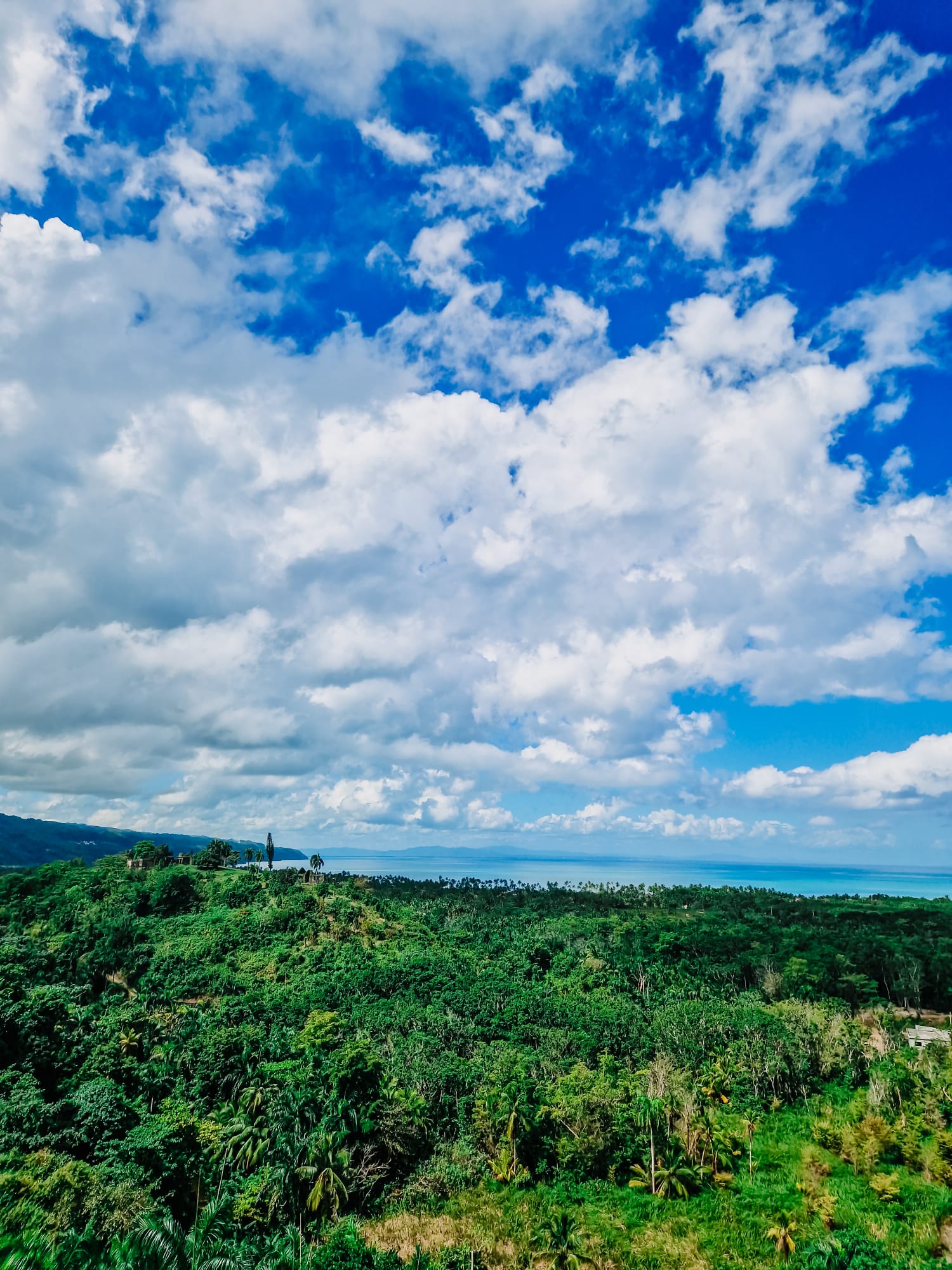
Las Terrenas has quietly become one of the Dominican Republic’s most beloved expat destinations and for digital nomads, it offers something rare: the infrastructure to work remotely without sacrificing the Caribbean lifestyle. Unlike the more developed tourist hubs, Las Terrenas retains an authentic, laid-back European vibe while delivering surprisingly solid internet, a thriving international community, and a cost of living that won’t drain your savings account.
This guide walks you through everything you need to know about living in Las Terrenas as a digital nomad–from internet reliability and coworking spaces to finding the right neighborhood, navigating visa requirements, and integrating into the local expat community.
Internet Reliability and Coworking Spaces in Las Terrenas
Let’s address the biggest concern first: internet speed. Las Terrenas offers surprisingly robust connectivity for a small beach town. Fiber optic service from providers like Altice and Claro delivers speeds of 100–200 Mbps in most residential areas, which is more than sufficient for video calls, cloud-based work, and streaming.
That said, infrastructure can vary significantly by neighborhood. Properties in Pueblo de los Pescadores, the town center, and newer developments near Playa Cosón typically have the most reliable service. Always test the internet before committing to a long-term rental—most landlords understand this is non-negotiable for remote workers.
For those who prefer working outside their home, Las Terrenas has several coworking options. Comun Cowork Las Terrenas, located near the town center, offers day passes, monthly memberships, and dedicated desks with high-speed fiber, air conditioning, and a community of fellow digital nomads.
Many remote workers also rotate between beachfront cafés with strong WiFi (of which there are a lot) and remote working at home.
Where to Live: Neighborhoods for Digital Nomads in Las Terrenas
Las Terrenas isn’t huge, but choosing the right neighborhood makes a significant difference in your daily experience. Each area attracts a slightly different crowd and offers distinct advantages.
Pueblo de los Pescadores is the historic fishing village turned expat hub. It’s walkable, social, and convenient—you’re steps from restaurants, grocery stores, and the beach. Rentals here range from $600–$1,200 monthly for a one-bedroom apartment or small house. The trade-off? It can feel touristy during high season, and street noise is common.
Playa Cosón, about 10 minutes west by scooter, offers a quieter, more residential vibe. The beach is wider and less crowded, making it ideal if you value morning surf sessions or long walks over nightlife. Rental options skew toward standalone houses and villas ($800–$1,800/month), many with ocean views and private gardens. Internet here is generally excellent, as newer developments were built with remote work in mind.
Las Ballenas, the stretch east of town, attracts surfers and those seeking a middle ground between action and tranquility. You’ll find a mix of local Dominican life and international residents. Expect to pay $800–$1,000 for modest accommodations close to the beach.
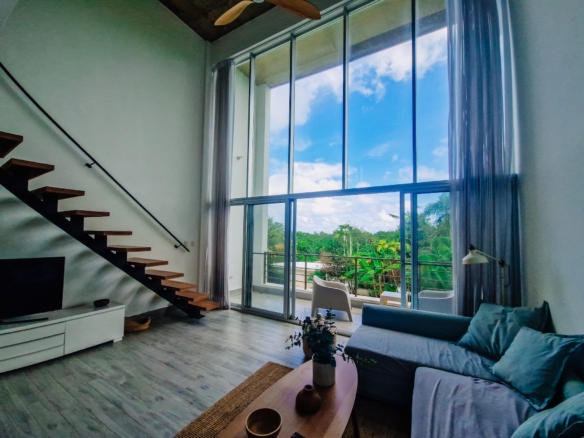
For those interested in something more upscale or turnkey, exploring options in nearby Las Terrenas and Samaná can reveal properties designed specifically for expats, including gated communities with reliable infrastructure and property management services.
Cost of Living and Monthly Budget Breakdown
One of Las Terrenas’ strongest appeals is affordability—though it’s slightly pricier than other Dominican towns due to its international character. Here’s a realistic monthly budget for a single digital nomad living comfortably:
- Rent: $600–$1,200 (furnished one-bedroom apartment or small house/casita)
- Utilities: $80–$150 (electricity, water, internet; air conditioning use significantly affects electric bills)
- Groceries: $250–$400 (mix of local markets and imported goods from Super Pola or Lindo)
- Eating out: $200–$350 (dining out 3–4 times per week; local spots are $5–$10, tourist restaurants $15–$25)
- Transportation: $100–$200 (scooter rental or purchase; taxis and motoconchos for short trips)
- Gym/activities: $50–$100 (yoga classes, gym membership, surfboard rental)
- Miscellaneous: $100–$150 (coworking membership, entertainment, beach gear)
Total monthly budget: $1,380–$2,550, depending on lifestyle choices. Those who cook at home, limit air conditioning, and embrace local living can easily stay under $1,500. Frequent dining at expat restaurants and daily air conditioning will push you toward $2,500 or higher.
Health insurance is an additional consideration. Local private clinics like Clinica International in Las Terrenas offer affordable care, but most digital nomads maintain international coverage like SafetyWing or Cigna Global for major medical needs.
Visa Requirements and Residency Options for Remote Workers
The Dominican Republic doesn’t yet offer a dedicated digital nomad visa, but there are several practical pathways for staying long-term without working locally.
Tourist card entry allows most US and Canadian citizens to stay 30 days without a visa. You can extend this to 120 days total (four months) by visiting the immigration office in Samaná or Santo Domingo and paying extension fees – roughly $40 per month extended. Many digital nomads use this option and do “visa runs” to nearby countries like Colombia or Puerto Rico every few months to reset their tourist status.
Temporary residency is worth pursuing if you plan to stay longer than six months annually. The most common route for remote workers is applying as a rentista (someone with stable foreign income). Requirements include proof of monthly income (around $2,000+), a clean criminal record, health certificate, and various notarized documents. Processing takes 2–4 months and costs approximately $1,500–$2,000 including legal fees. Many expats hire a local gestor (legal facilitator) to navigate the bureaucracy—ask for referrals in expat Facebook groups.
Property ownership can also facilitate residency. If you purchase real estate valued above a certain threshold, you may qualify for investor residency. This becomes particularly relevant for digital nomads considering staying long-term or generating rental income when traveling elsewhere. Exploring pre-construction opportunities can offer newer infrastructure better suited to remote work needs.
Important note: Dominican residency doesn’t change your tax obligations in your home country. Most digital nomads continue paying taxes where they’re legally domiciled. Consult a cross-border tax professional to understand your specific situation.
Building Community: Meeting Other Digital Nomads and Expats
Las Terrenas’ social scene strikes a unique balance–it’s small enough to quickly recognize familiar faces, but large enough that you’re not stuck with a limited crowd. The expat community includes French, Italian, Canadian, American, and Swiss residents, creating a genuinely international atmosphere.
Facebook groups are your entry point. “Las Terrenas Expats” and “Las Terrenas Buy, Sell, Trade” are active communities where people share housing leads, organize beach cleanups, advertise events, and offer advice. Don’t be shy about posting an introduction–the community is welcoming to newcomers.
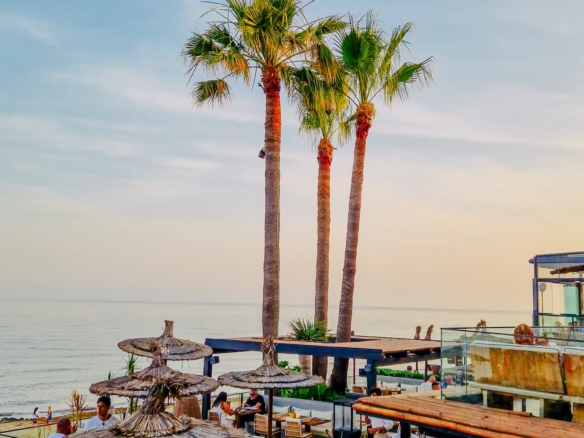
Weekly events provide natural connection points. Tuesday nights often feature live music at beachfront venues. Saturday morning beach volleyball at Playa Punta Popy attracts a mixed crowd of locals and internationals. Sunset gatherings at El Lugar or Porto are informal but regular meetups where you’ll quickly expand your network.
Language exchange groups meet several times weekly–a perfect way to improve your Spanish while helping Dominicans practice English. Las Terrenas also has a small but growing yoga and wellness community, with several studios offering classes and workshops that double as social opportunities.
For those seeking deeper integration, volunteer opportunities exist through local schools, environmental organizations focused on beach conservation, and animal rescue groups. Contributing to the community not only feels meaningful but accelerates your transition from tourist to resident.
The Reality Check: Challenges You Should Know About
Las Terrenas isn’t perfect, and understanding the challenges upfront prevents frustration later. Power outages happen–less frequently than in the past thanks to infrastructure improvements, but still occasional, especially during hurricane season (June through November). A small UPS (uninterruptible power supply) for your router and laptop is a smart investment that costs around $80.
Banking can be complicated. Opening a local account often requires residency, so many digital nomads rely on US or Canadian accounts plus services like Wise for currency conversion. ATM withdrawal limits are low (usually $100–$200 per transaction), and fees add up. Credit cards work at larger establishments but cash remains king at local spots.
Transportation infrastructure is basic. Roads outside town centers can be rough, and public transportation between towns is limited to guaguas (shared vans) that don’t run on fixed schedules. Most expats rent or buy a scooter ($150–$250/month rental, $1,500–$3,000 to purchase). If you’re not comfortable on two wheels, factor higher transportation costs for taxis or car rental.
Finally, Las Terrenas’ small size means limited variety over time. The restaurant scene, while good, doesn’t rotate constantly. Some digital nomads love the consistency and simplicity; others feel constrained after several months. Many solve this by using Las Terrenas as a home base while taking advantage of the DR’s proximity to other Caribbean islands and Central America for periodic travel.
Making the Move: Your First Steps
If Las Terrenas sounds like the right fit, start with a reconnaissance trip. Book one month in an Airbnb to test different neighborhoods, evaluate internet speeds in person, and experience daily life beyond vacation mode. Time your visit for shoulder season (May or November) when you’ll see the town’s authentic rhythm without peak tourist crowds.
Connect with other digital nomads before arriving–post in Facebook groups asking about current housing availability and coworking updates. The community is generous with information, and you’ll often receive offers to meet up for coffee or join group activities.
Once you’ve decided to commit, secure housing directly with landlords when possible to avoid Airbnb’s fees for stays beyond a month. Three to six-month leases are common and give you flexibility while you’re still testing the waters.
Las Terrenas offers digital nomads something increasingly rare: a genuine community in a beautiful setting with the infrastructure to support remote work, all at a price point that doesn’t require a six-figure income. It’s not for everyone–those needing big-city amenities or constant novelty will feel limited–but for remote workers seeking work-life integration in a warm, welcoming environment, it’s worth serious consideration. And Santo Domingo is not too far away as well.
Ready to explore property options in Las Terrenas? Whether you’re looking for a long-term rental or considering purchasing your own Caribbean home base, browse our hand-picked selection of homes and condos in Las Terrenas designed with expat needs in mind.

Join The Discussion