

After comparing Costa Rica, Mexico and Florida, one family found their fit in the Dominican Republic.
The Brennan family’s youngest daughter had just turned seven when they decided to leave Seattle. It wasn’t a sudden decision: Tom and Sarah had been tracking homeschool communities, international school reviews, and cost-of-living spreadsheets across six countries for eighteen months. Their shortlist: Costa Rica’s Central Valley, Playa del Carmen in Mexico, the Tampa Bay area in Florida, and Cabarete in the Dominican Republic.
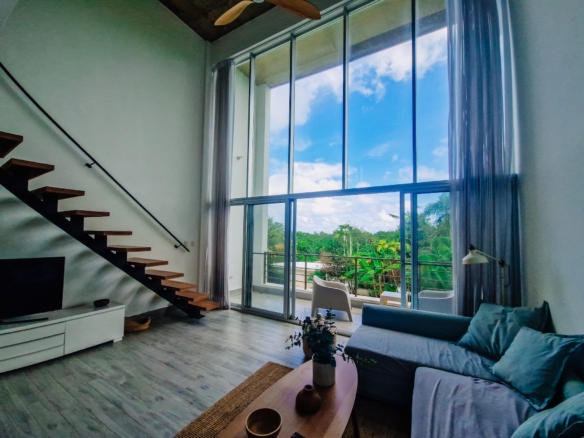
By March 2024, they were signing the lease on a three-bedroom villa fifteen minutes from Cabarete Beach. Their monthly housing cost: $1,400. Their daughters, aged seven and nine, were enrolled in a bilingual school with a 12:1 student-teacher ratio. And Tom was running his software consultancy from a home office with 100 Mbps fiber internet.
This is their story – and the detailed reality of what family life in the Dominican Republic actually looks like when you choose it over the alternatives.
Why They Ruled Out the Competition
The Brennans weren’t running away from something. They were running toward a specific lifestyle: outdoor access, a slower pace, strong community ties, and financial breathing room. But each destination on their list had deal-breakers.
Costa Rica checked many boxes. The schools were excellent, the expat infrastructure mature, the nature unbeatable. But when they ran the numbers, a comparable rental in the Central Valley or near the coast would cost $2,200–$2,800 monthly. Add higher grocery costs, tourism-inflated restaurant prices, and the realization that they’d need a car immediately (and deal with mountain driving), and the budget started to strain.
Playa del Carmen felt vibrant and familiar. Sarah loved the walkability, and the girls were excited about cenotes and Mayan ruins. But the rapid overdevelopment concerned them. Tom attended a digital nomad meetup virtually and heard recurring complaints: inconsistent internet, rising crime in certain zones, and a transient expat community that made it hard to build roots. The school they toured had tripled its tuition in four years.
Florida made the most financial sense on paper—no currency conversion, familiar systems, proximity to extended family. But the Tampa suburbs they could afford felt like a lateral move from Seattle, just with humidity and hurricanes. The cost of a modest three-bedroom home had climbed to $420,000. Property insurance was approaching $4,500 annually. And the school district they wanted required rezoning or private tuition starting at $18,000 per year.
The Dominican Republic, specifically the North Coast, kept surfacing in their research. Lower cost of living. Established bilingual schools. A surprisingly organized expat parent network. And something less tangible but crucial: other families who had made the leap and stayed.
The First Six Months: School, Routine, and Reality Checks
The Brennans arrived in August 2023 with four suitcases, two nervous daughters, and a one-year plan. If it didn’t work, they’d reassess. No shame, no failure.
Within two weeks, the girls were enrolled at a private bilingual school in Sosúa. Tuition: $450 per month per child, including lunch and extracurriculars. The curriculum blended Dominican Ministry of Education standards with an English-language program designed for expat families. Class size: fourteen students. The school had a garden where kids grew vegetables, a weekly beach day, and a parent WhatsApp group that became Sarah’s lifeline.
Tom’s biggest concern had been internet reliability. He couldn’t miss client calls or lose access to GitHub repositories. Their villa came with fiber from a local provider, and he paid for a secondary 4G backup line through Claro. In six months, he experienced two outages—both resolved within three hours. Total monthly cost for both connections: $78.
Sarah, a freelance graphic designer, needed community as much as Tom needed bandwidth. She joined a mothers’ group that met twice a month at a co-working space in Cabarete. The group organized park playdates, beach cleanups, and shared recommendations for pediatricians, dentists, and vetted babysitters. Within three months, she had a reliable circle of six families—three American, two Canadian, one German.
The girls adapted faster than either parent expected. By October, both were conversational in Spanish. They made friends with Dominican classmates and started attending birthday parties that involved entire extended families, mountains of food, and music until dark. It was different from Seattle playdates, but the girls thrived.
The Financial Picture: What They Actually Spend
One year in, Tom and Sarah tracked every expense. Here’s the monthly breakdown:
- Rent: $1,400 (3BR villa, gated community, pool, generator backup)
- Utilities: $180 (electricity higher in summer due to AC, water minimal)
- Internet + Mobile: $78
- Groceries: $520 (mix of local markets and imported goods from SuperPola)
- School Tuition: $900 (both daughters)
- Health Insurance: $340 (international plan through SafetyWing + local top-up)
- Transportation: $150 (motoconcho, occasional car rental, Uber-style apps)
- Dining Out + Entertainment: $400
- Miscellaneous: $200
Total monthly spend: $4,168
In Seattle, their baseline monthly expenses had been $7,100, and that was before any entertainment, travel, or savings. The difference—roughly $35,000 annually—went into a combination of investment accounts and a fund earmarked for purchasing property.
What Surprised Them (The Good and the Hard)
Sarah hadn’t expected how much she’d value the slower pace. In Seattle, their weeks were a blur of soccer practice, school pickups, and weekend errands. In Cabarete, there was space. Mornings started with fruit from the local colmado. Afternoons often ended at the beach. The girls learned to boogie board, collected shells, and started a nature journal documenting lizards, hermit crabs, and tropical birds.
Tom was surprised by the quality of the local tech and entrepreneur community. He met other remote workers—developers, designers, a few startup founders—who treated the North Coast as a base, not a vacation. Coworking spaces offered reliable setups, and he started collaborating on a side project with a Canadian developer he met at a weekly networking lunch.
The hard parts were real, and the Brennans don’t sugarcoat them. Infrastructure is inconsistent. Roads flood during heavy rain. Power outages happen, especially in summer. Bureaucracy—even simple tasks like getting a residency appointment—requires patience and often a fixer. They hired a local attorney to handle their residency paperwork, which cost $1,200 but saved them weeks of confusion.
Healthcare was another learning curve. For routine care—vaccinations, check-ups, minor illnesses—they found excellent private clinics in Sosúa with bilingual doctors. Quality was high, costs were low (a private pediatric visit ran $40–60). But for anything serious, they knew they’d need to travel to Santiago or Santo Domingo, or potentially back to the U.S. Their insurance plan covered evacuation, which gave them peace of mind.
The Outcome: Buyer to Resident
In May 2024, fourteen months after arriving, the Brennans made an offer on a two-bedroom condo in a gated community near Encuentro Beach. Purchase price: $185,000. The unit had been on the market for six months, and the seller—a Canadian snowbird who had decided to sell rather than rent—accepted their offer at $172,000.
They financed part of the purchase using savings and a small portfolio loan from a U.S.-based lender familiar with Dominican transactions. Closing costs, including attorney fees, transfer taxes, and title insurance, totaled roughly 5% of the sale price.
The plan: live in the condo during high season (November through April), rent it out to vacationers during the summer, and spend June through August visiting family in the Pacific Northwest. Projected rental income during their absence: $1,800–$2,400 per month, managed through a local property manager they’d vetted through their expat network.
By the end of their first year as owners, the Brennans had reduced their monthly housing expense to nearly zero when factoring in rental income. The girls were bilingual. Tom’s consultancy had grown. Sarah had picked up two long-term design clients through local referrals. And they had built something they hadn’t quite expected: a real home, not just an escape plan.
What This Means for Other Families Considering the Move
The Brennan case isn’t universal, but it’s instructive. They didn’t arrive with unlimited resources or without concerns. They came with a budget, a plan, and a willingness to adapt. They ruled out destinations that didn’t align with their priorities, even when those places were more familiar or easier to romanticize.
Family life in the Dominican Republic works best for parents who value flexibility, are comfortable with occasional inefficiency, and want their kids to grow up with cross-cultural fluency and nature access. It’s not a fit for families who need North American-level infrastructure everywhere, want a large selection of extracurriculars (club sports, music conservatories), or are uncomfortable with language barriers during the first few months.
But for families like the Brennans—and there are more every year—the North Coast offers something rare: a high quality of life at a sustainable cost, a tight-knit community of families who’ve made similar choices, and the kind of childhood their daughters will remember not for the stuff they had, but for the freedom they felt.
If your family is exploring this path, the next step is understanding what neighborhoods and properties align with your lifestyle and budget. Browse our hand-selected listings in Cabarete, where families like the Brennans are building their next chapter.

Join The Discussion