

Robert Matthews sold his Costa Rica beachfront condo in 2022 after six years and bought a villa in Las Terrenas four months later. He’s not shy about why: “I got tired of being nickel-and-dimed on everything from property taxes to imported groceries. The DR just made more financial sense once I ran the real numbers.”
We sat down with Robert, a 64-year-old retired engineer from Ontario, to understand why he made the switch and what he wishes someone had told him before he bought in Costa Rica in the first place.
Why Costa Rica First? The Conventional Wisdom
Q: Costa Rica has a reputation as the safest, most stable option in Central America. What drew you there initially?
“Honestly, everyone told me it was the ‘obvious choice’ for retirees. No military, stable democracy, great healthcare. My financial advisor even said it was the Switzerland of Central America. I bought into that narrative completely. I didn’t even look at the Dominican Republic because I thought it was just all-inclusive resorts and nothing else.”
Q: What was your biggest concern before moving to Costa Rica?
“Safety, hands down. I’d read horror stories about crime in Nicaragua and parts of Mexico. Costa Rica felt like the safe bet. My wife was nervous about healthcare access too, so the proximity to CIMA Hospital in San José sealed the deal for us.”
The Reality Check: What No One Tells You About Costa Rica
Q: So what changed? When did you start questioning the move?
“About 18 months in our property taxes went up 22% in one year. Then our condo fees doubled because the building needed structural repairs from humidity damage –apparently a common issue no one mentioned and we didn´t have in mind. We were paying nearly $700/month in HOA fees for a two-bedroom. Meanwhile, our friends who stayed in Canada were paying less than that for a house.”
“And the cost of living everyone talks about being ‘low’? That’s only true if you live like a local in the mountains. We were in Guanacaste near the beach, and imported goods cost a fortune. A jar of peanut butter was $12 USD. I’m not exaggerating.”
Q: What about the famous healthcare system?
“CAJA is excellent if you’re okay with long wait times. But most expats I knew, myself included, were paying for private insurance anyway. So you’re basically paying twice –once through residency requirements into CAJA, and again for private coverage. That added up to about $450/month for both of us.”
The Dominican Republic: What Robert Wishes He’d Known Sooner
Q: What made you even consider the Dominican Republic?
“A couple we met in Costa Rica had just bought in Las Terrenas. They kept raving about the cost difference and how much easier the buying process was. I was skeptical – I thought the DR was just Punta Cana resorts and poverty. But we visited for a week in 2021, and I realized I’d been completely wrong.”
Q: What surprised you most?
“The infrastructure in places like Las Terrenas and Cabarete. These aren’t third-world beach towns. The internet in my villa is faster than what I had in Toronto. The roads are better than Costa Rica’s, which were honestly terrible. And the expat community is way more integrated, people actually learn Spanish and participate in local life instead of just sticking to gated compounds.”
“Also, I can fly direct to New York or Toronto in under four hours. From Costa Rica, I always had connections. That matters when you’re still visiting grandkids twice a year.”
The Financial Reality: Running the Real Numbers
Q: Let’s talk money. How does the cost of ownership actually compare?
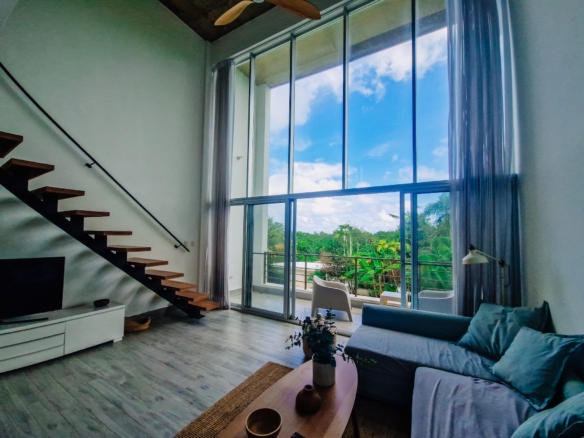
“I sold my Costa Rica condo for $385,000–basically what I paid for it. No appreciation in six years. I bought a three-bedroom villa here with a pool for $320,000. My property taxes dropped from $3,400/year to $950. My condo fees went from $700/month to zero because I own a standalone villa.”
“Groceries are 30–40% cheaper here if you shop local markets. Electricity is my only higher cost, but even that’s offset by lower property taxes. I’m saving roughly $18,000 a year compared to Costa Rica. Over ten years, that’s $180,000 back in my pocket.”
Q: What about healthcare? That’s a big concern for retirees.
“There’s no public system you’re required to join, so you’re not paying double. I have international coverage through Cigna for $280/month for both of us. Local private clinics are excellent and cheap,I paid $40 for a full physical last month. In Costa Rica, that same visit cost me $150 at a private clinic.”
The Contrarian Take: Why “Safer” Doesn’t Always Mean Better
Q: A lot of retirees are still convinced Costa Rica is safer. What do you say to that?
“I think that’s outdated. Crime has been rising in Costa Rica, especially in touristy areas like Jacó and Tamarindo. Home invasions, petty theft – it’s not the peaceful paradise it was 20 years ago. Meanwhile, I feel completely safe in Las Terrenas. We walk to restaurants at night, leave our windows open, no issues.”
“Here’s the thing: ‘safer’ became code for ‘more expensive and more regulated.’ Costa Rica’s bureaucracy is a nightmare. Getting residency took me 14 months. In the DR, my lawyer handled everything in six months. Sometimes the obsession with being the ‘safest’ option is just marketing that keeps prices inflated.”
Robert’s Honest Advice for Retirement Escapees
Q: If you could go back and talk to yourself in 2016, what would you say?
“Don’t assume the most talked-about option is the best one. Do the math yourself. Visit multiple countries. Talk to expats who’ve been there five-plus years, not just the honeymoon-phase people.”
“And don’t let fear drive your decision. I bought in Costa Rica because I was scared of making the ‘wrong’ choice. Ironically, playing it safe cost me six years and probably $100,000 in opportunity cost.”
Q: Would you recommend the Dominican Republic over Costa Rica to other retirees?
“For most people? Yes. Especially if you’re on a fixed income and want your money to actually last. Costa Rica makes sense if you’re wealthy and don’t care about cost, or if you want to live in the mountains away from beaches. But if you want affordable beachfront living with good infrastructure and a real expat community, the DR wins hands down.”
Robert’s villa in Las Terrenas is now worth $385,000, a 20% appreciation in 3 years. He’s not looking back.
Ready to see what your retirement budget could actually buy? Browse hand-picked properties in Las Terrenas and Samaná and talk to someone who knows the real numbers – not the marketing brochure version.

Join The Discussion